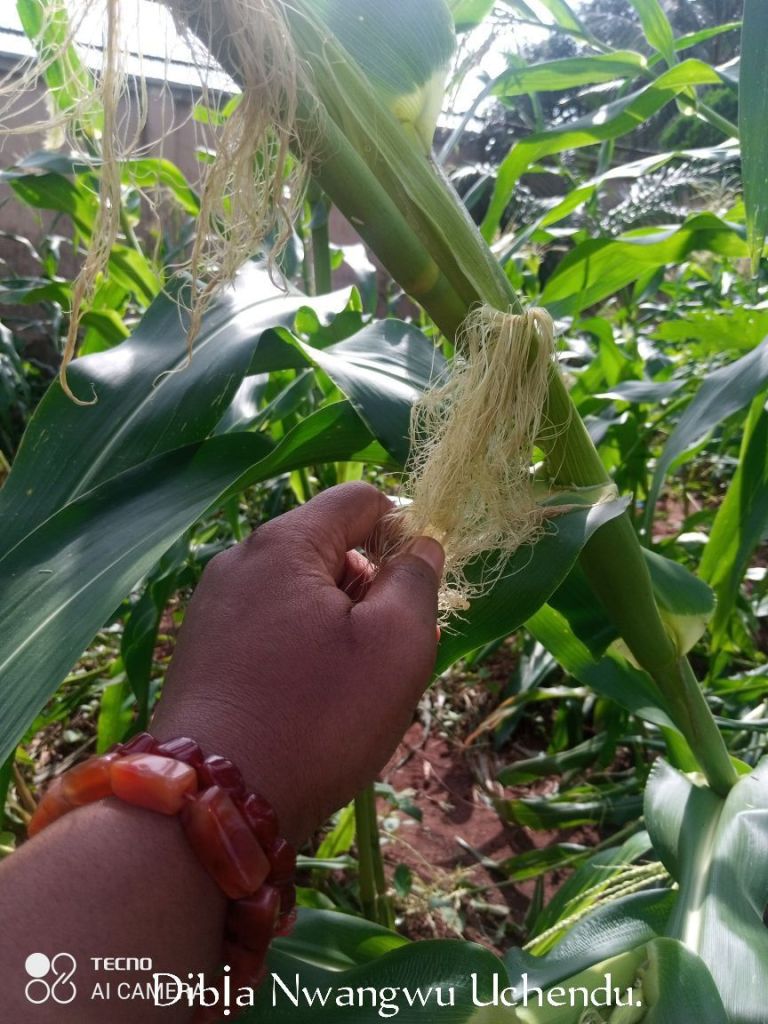
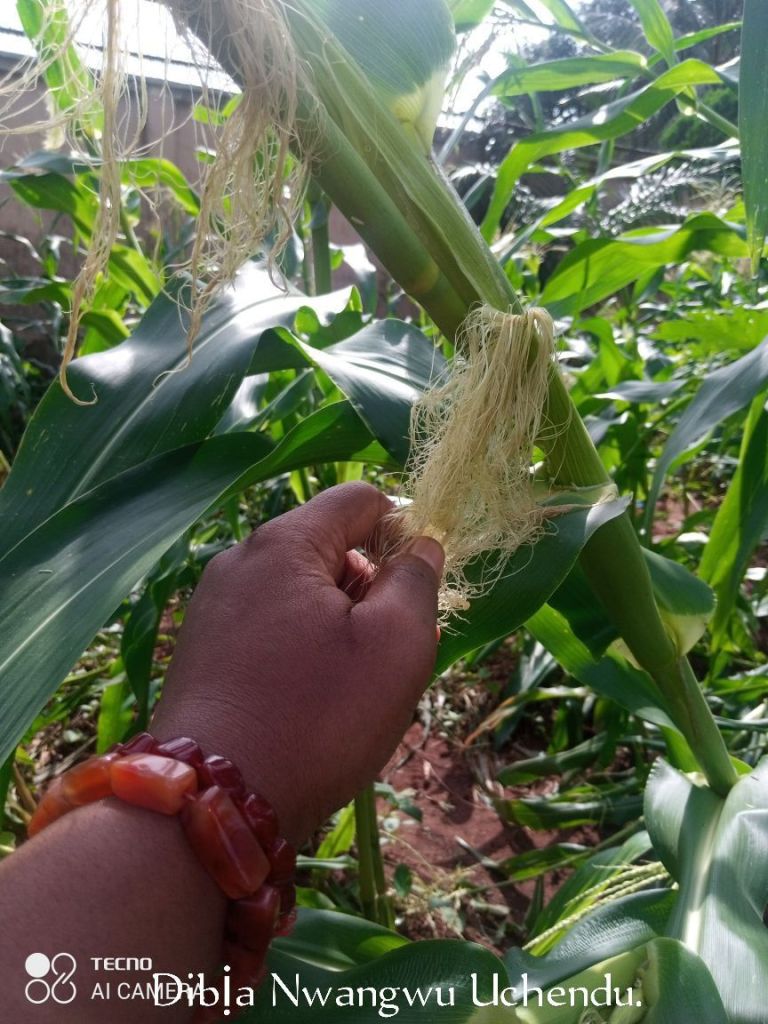
Corn silk refers to the thread-like fibers that are found on the outside of the husk surrounding an ear of corn. It is often disregarded and discarded. It actually possesses several interesting properties and potential health benefits.
Physical Characteristics:
Corn silk is made up of long, soft and silky threads. It ranges in color from light yellow to pale green, depending on the maturity of the corn. The threads are typically around 6-8 inches in length and can be easily separated from the corn husk.
Traditional Uses:
Corn silk has been used in traditional medicine and cultural practices for centuries. It is primarily known for its diuretic properties, meaning it can increase urination. Many traditional practices value corn silk for its potential benefits in treating urinary tract infections, kidney stones and bladder issues. It has also been used traditionally for conditions like bedwetting, cystitis, and prostate or bladder irritation.
Nutritional Composition:
Corn silk is packed with a range of beneficial compounds, including vitamins, minerals, and antioxidants. It contains essential nutrients such as vitamin K, vitamin C, potassium, and folic acid. Additionally, it is rich in phytochemicals like flavonoids and alkaloids, which contribute to its potential medicinal properties. Some studies suggest that corn silk may have antidiabetic properties. It may help lower blood sugar levels by enhancing insulin secretion, improving insulin sensitivity and reducing glucose absorption in the intestines. However, more research is needed to validate these claims. Corn silk contains several antioxidants, such as phenolic compounds and anthocyanins, which help neutralize harmful free radicals in the body. This may contribute to reducing oxidative stress and lowering the risk of chronic diseases like heart disease and certain types of cancer.
Preparation and Usage:
Corn silk can be consumed as an herbal tea by steeping the dried silk in hot water. The tea is known for its mild, slightly sweet taste. It can be enjoyed on its own or mixed with other herbs for added flavor and potential synergistic effects. While corn silk is generally considered safe for consumption, pregnant or breastfeeding individuals should consult a healthcare professional before using it as a supplement or in large amounts. Corn silk is often overlooked as part of the corn plant with potential health benefits. Its diuretic properties, along with its nutritional composition and antioxidant effects, make it an interesting substance worth exploring for various health-related purposes.
Here are 20 potential health benefits of corn silk:
1. Diuretic Properties: Corn silk is known for its diuretic effects, helping to increase urine production and promote urinary health.
2. Urinary Tract Infections (UTIs): Corn silk may help prevent and relieve symptoms of UTIs due to its antimicrobial and anti-inflammatory properties.
3. Kidney Stones: Corn silk may assist in preventing the formation of kidney stones by promoting urine flow and reducing the likelihood of crystallization.
4. Bedwetting: Consumption of corn silk has been associated with reducing bedwetting incidents, particularly in children.
5. Bladder Irritation: Corn silk may help soothe bladder irritation caused by conditions like cystitis.
6. Prostate Health: Corn silk is believed to have potential benefits for prostate health, assisting in reducing inflammation and improving urinary flow in certain prostate conditions.
7. Hypertension: Some studies suggest that corn silk may help lower blood pressure levels.
8. Antioxidant Protection: Corn silk is rich in antioxidants, which can scavenge harmful free radicals and protect cells from oxidative damage.
9. Anti-Inflammatory Effects: Corn silk contains anti-inflammatory compounds that may help reduce inflammation in the body.
10. Digestive Health: Consumption of corn silk may aid digestion, promote regular bowel movements, and alleviate constipation.
11. Diabetes Management: Some research suggests that corn silk may have hypoglycemic effects, potentially aiding in blood sugar control for individuals with diabetes.
12. Weight Management: Due to its diuretic properties and potential impact on blood sugar levels, corn silk may play a role in weight management efforts.
13. Skin Health: Corn silk infusion can be used topically to soothe and moisturize the skin or relieve itchiness caused by conditions like eczema or bug bites.
14. Hair Health: Applying corn silk extract or oil to the hair and scalp is believed to promote healthier hair growth and alleviate scalp conditions like dandruff.
15. Respiratory Health: Corn silk infusion may help soothe respiratory conditions, including cough, bronchitis, and asthma.
16. Anti-Anxiety Effects: Some anecdotal evidence suggests that corn silk may have calming effects on the nervous system, helping to reduce anxiety and promote relaxation.
17. Eye Health: Corn silk contains beneficial compounds like lutein and zeaxanthin, which are important for eye health and may help prevent age-related macular degeneration.
18. Cardiovascular Health: The antioxidants and anti-inflammatory properties of corn silk may contribute to improved heart health by reducing inflammation and oxidative stress.
19. Liver Support: Corn silk is believed to assist in liver detoxification by promoting urine flow, potentially aiding in overall liver health.
20. Menstrual Discomfort: Corn silk may have mild estrogen-like effects, potentially helping to alleviate symptoms of menstrual discomfort, such as cramps and bloating.
While many of these potential health benefits are supported by anecdotal evidence or traditional uses. It is important to note that more scientific research is needed to fully validate these claims. As always, it is advisable to consult with a certified holistic doctor and healthcare professional before using corn silk or any other natural remedy for specific health concerns.
+2347042519747.
WhatsApp MSG only
 DIBIA NWANGWU UCHENDU