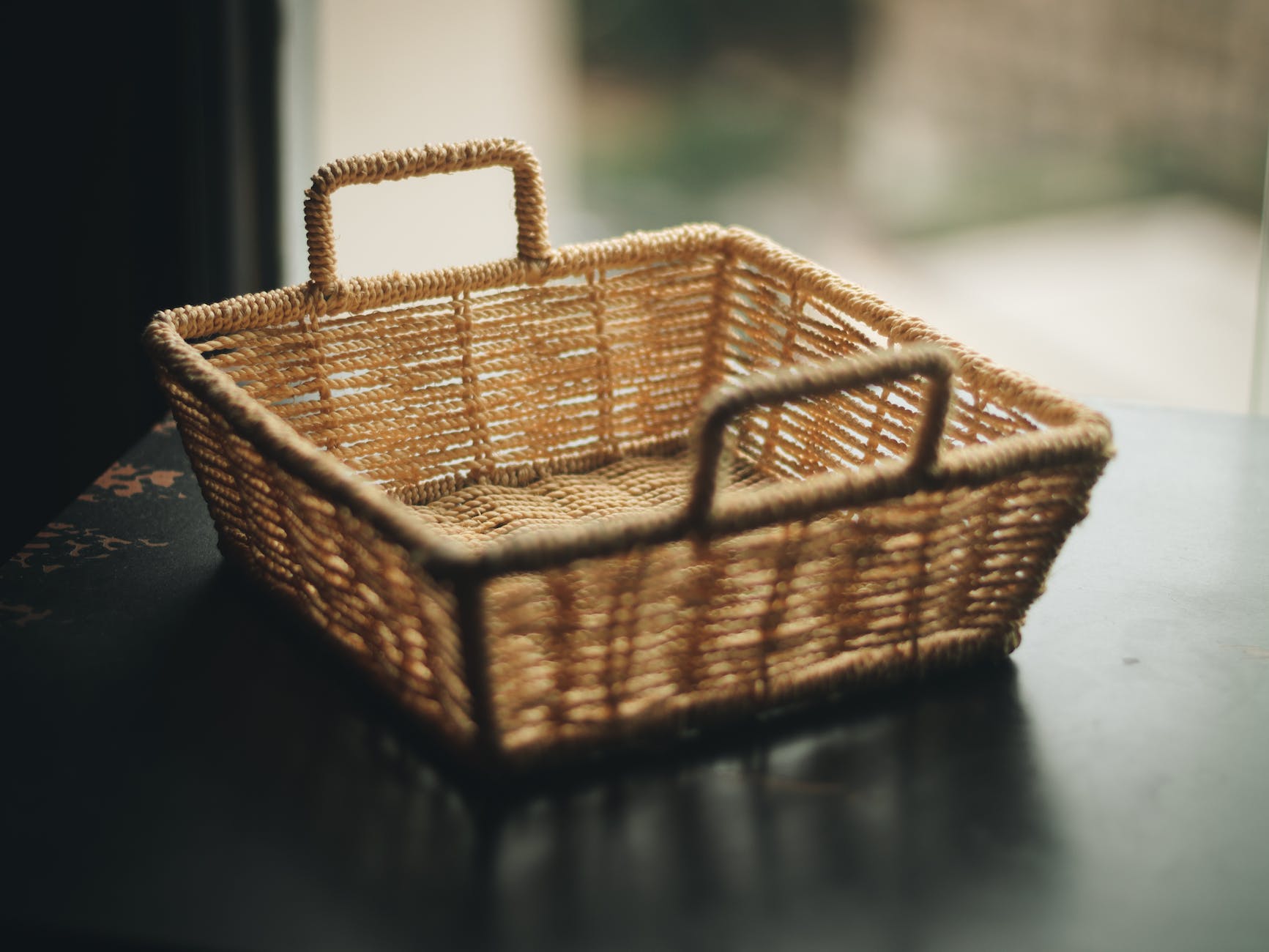
The locally woven basket is a traditional handicraft that is made by skilled artisans in many cultures. These baskets are usually made from natural materials such as bamboo, straw, palm fronds or reeds. They are woven together using various techniques. The process of making a locally woven basket involves gathering the raw materials, preparing and treating them and then weave them together to create the desired design. The weaving technique vary from culture to culture and each region may have its own unique style or pattern. Locally woven baskets are used for practical purposes such as carrying or storing items such as herbs, flowers, but they are also highly decorative and used as home decor. They come in various shapes, sizes and colors, reflecting the diversity of local traditions and aesthetics.
Baskets are functional and aesthetically pleasing. Locally woven baskets carry cultural and symbolic significance. They can represent cultural identity, craftsmanship and sustainability, as they are usually made from natural and renewable materials. These baskets are found in markets and craft fairs, where they are sold as souvenirs or artisanal products. They make beautiful and unique gifts, showcasing the skill and creativity of the local artisans. Overall, locally woven baskets are not only practical and decorative items but also valuable pieces of cultural heritage and craftsmanship.
Baskets have spiritual uses as well. These spiritual uses can vary across different cultures and belief systems. For example in Igbo society as seen in Ọdịnanị Igbo Spirituality:
1. Offering Baskets: In Igbo culture, locally woven baskets are used as vessels for offering prayers, food, or other sacred items to deities or spirits. These baskets may be used in ceremonies or placed in shrines or altars as offerings.
2. Ritual Purification:
Locally woven baskets are used in purification rituals or ceremonies. Like igba aja, ịkpụ alụ. They may be filled with spiritual items, herbs, flowers or other cleansing elements and waved over individuals or spaces to cleanse and purify them spiritually.
3. Ritual Gathering Baskets:
In Igbo traditions, locally woven baskets are used to gather items or offerings during rituals or ceremonies like ịgba àjà ụmụada/ụmụ ọkpụ, àjà akaloghelli, àjà Ọgbọnuke, àjà ịgba onwe isi, ịkwa ngwongwo eji emedo Alusi, àjà Okporo ụzọ, àjà Amosu, etc. These baskets may be used to collect herbs, flowers, other symbolic items that hold spiritual significance.
4. Symbolism in Belief Systems:
Locally woven baskets also hold symbolic meanings in different belief systems. They may represent concepts such as abundance, unity, or protection. The patterns or designs woven into the baskets may carry spiritual or cultural significance. Especially when used as ukpa Ezumezu agwụ.
5. Divination Tools:
In Igbo Culture, specially woven baskets are used to store or carry divination tools. Items such as Nzu, edo, stones, shells, ugili, ogbodaga, okpokolo mbe, ekpili, ogene or other objects are placed in the basket and their arrangement or interpretation provides insights or answers to specific questions or concerns. Note that the spiritual uses of locally woven baskets vary across cultures, and the practices associated with them may differ significantly. It is always best to research and respect the specific cultural and spiritual contexts in which these practices are conducted.
@dibianwangwuuchendu
+2347042519747
WhatsApp MSG only.



 DIBIA NWANGWU UCHENDU