The chameleon is a fascinating reptile known for its ability to change colors. These are some in-depth details about chameleons:
1. Classification:
Chameleons belong to the family Chamaeleonidae, which consists of around 200 species. They are part of the reptile class and reptilia order.
2. Habitat:
Chameleons are primarily found in warm regions of Africa, Madagascar, southern Europe and parts of Asia. They inhabit a variety of ecosystems, including rainforests, deserts, savannas and mountainous areas. Some species have also been introduced to other parts of the world.
3. Appearance:
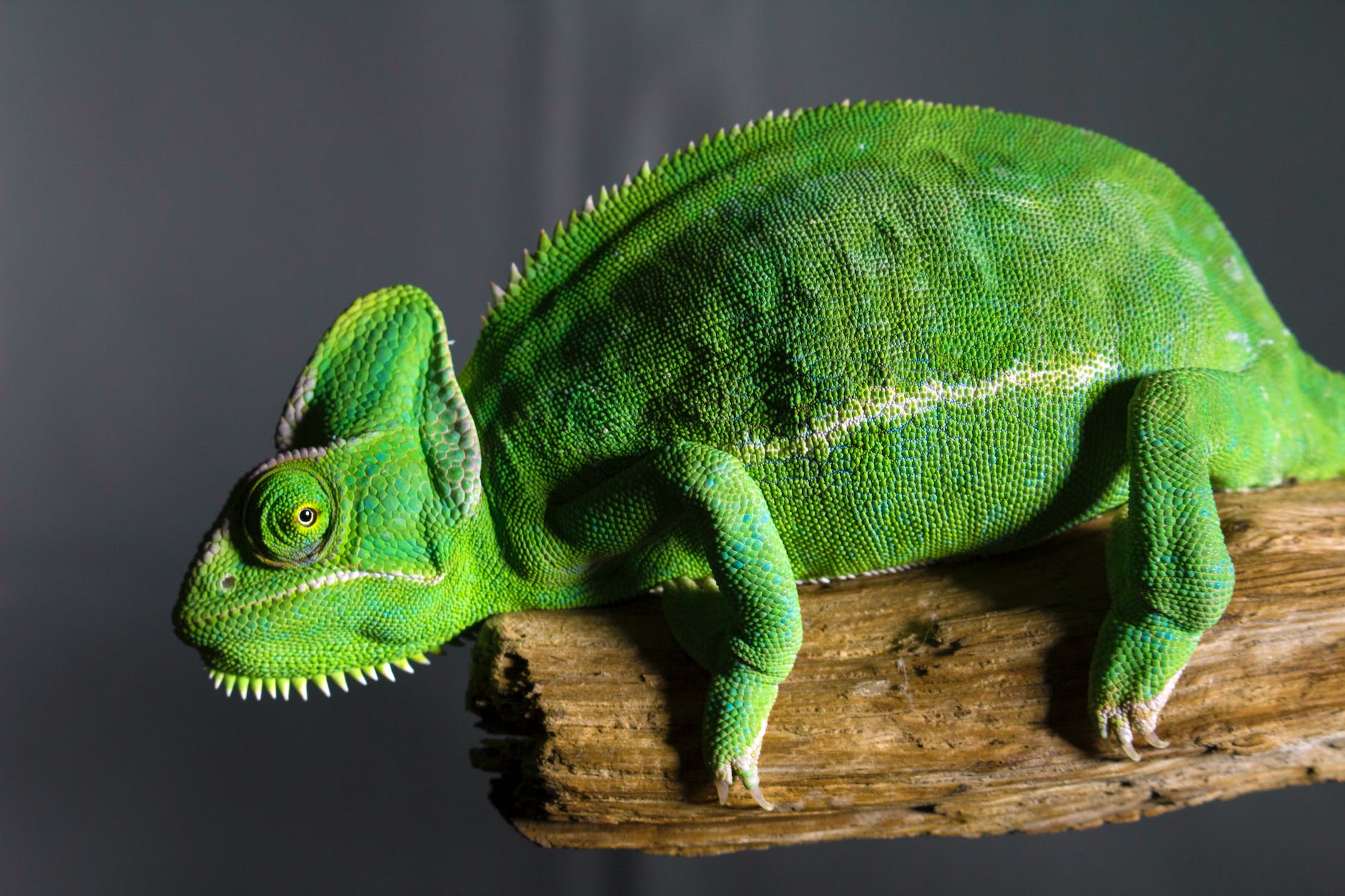
Chameleons have unique physical characteristics. They typically have a laterally compressed body with a distinctive bulge on their head known as the casque. Most chameleons have prehensile tails that help them maintain balance while climbing. They possess independently moving eyes which enables them to have a 360-degree field of vision.
4. Color Changing Ability:
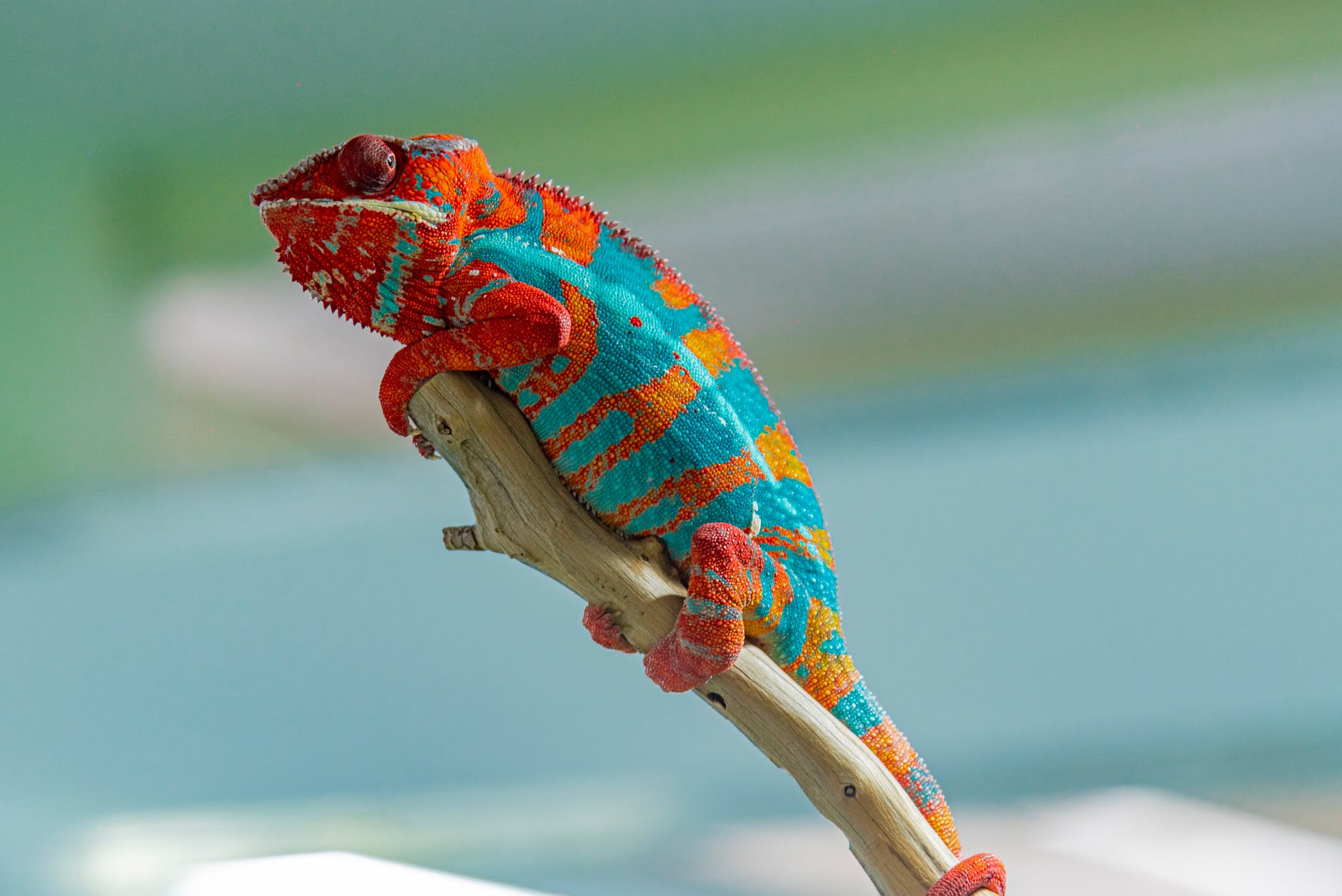
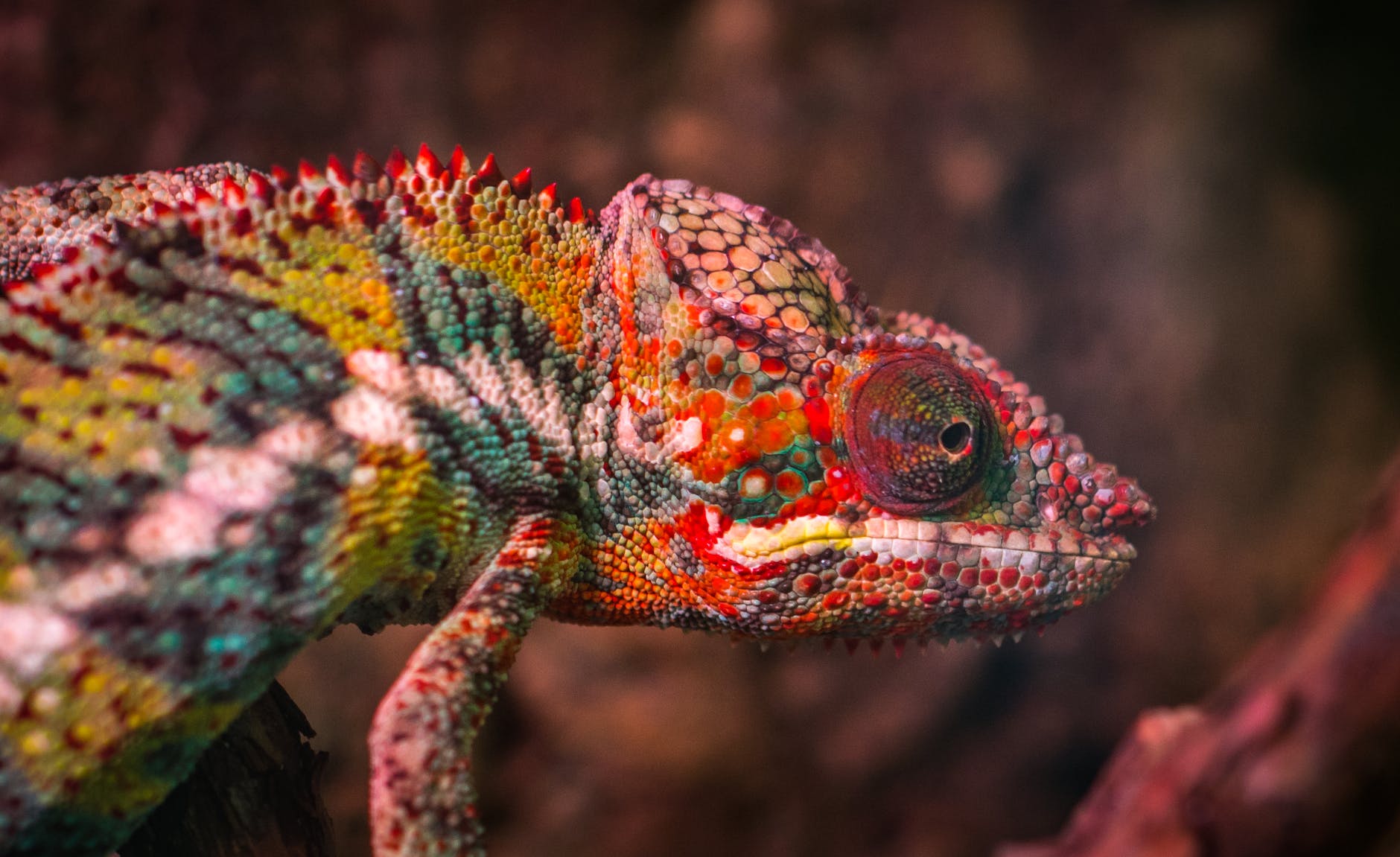
One of the most distinctive features of chameleons is their ability to change color. They achieve this through specialized skin cells called chromatophores, which contain pigments. By manipulating the size and arrangement of these cells, chameleons can display a wide range of colors, including green, brown, yellow, blue, red and even black and white. Color change is primarily used for camouflage, temperature regulation, communication and territorial displays.
5. Diet:
Chameleons are primarily insectivores, feeding on a variety of invertebrates like crickets, grasshoppers, spiders and worms. Some larger species may also consume small birds and other lizards. They use their long, sticky tongues to catch prey. Chameleon teeth are mainly adapted for grabbing rather than chewing as they swallow prey whole.
6. Reproduction:
Most chameleons are oviparous, meaning they lay eggs. After a courtship display, the female will lay a clutch of eggs, typically buried in the ground or hidden in vegetation. The incubation period varies but typically takes several months. Some species such as the Jackson’s chameleon are live-bearers, giving birth to their young ones.
7. Behavior:
Chameleons are known for their slow and deliberate movements. They are primarily arboreal and spend most of their time in trees or shrubs. They have specialized feet with fused toes, divided into two groups, allowing them to grip branches tightly. Chameleons are solitary creatures, only coming together during mating.
8. Threats:
Chameleons face several threats in the wild. Habitat loss due to deforestation, urbanization and agricultural expansion is a significant concern. Climate change also poses risks as it can disrupt their natural habitats. Chameleons are often captured for the pet trade, leading to population declines in some regions.
9. Conservation:
Many chameleon species are protected under national and international laws and they are listed as endangered or vulnerable by the International Union for Conservation of Nature (IUCN). Conservation efforts aim to protect their habitats, regulate the illegal pet trade and raise awareness about their importance in ecosystems.
While chameleons possess captivating traits, it is important to note they are primarily wild animals. However, I can provide some information on traditional beliefs, usages or folklore surrounding chameleons in Igbo culture. It is crucial to note that these beliefs may not have scientific backing or proven efficacy.
Spiritual Uses Of Chameleons:
1. Symbolism: In Igbo culture chameleons are associated with adaptability, flexibility and the ability to blend in with different environments. They symbolize the ability to change and adjust to different situations.
2. Protection: Chameleon figures or symbols are regarded as protective talismans or amulets against evil spirits or negative energies.
3. Spirit Animal:
Some spiritual practices believe that chameleons can be spirit animals or totems, representing introspection, observation and transformation.
4. Metaphorical Lessons: Chameleons are occasionally used in storytelling or fables to convey moral lessons about adjusting, being versatile or understanding one’s surroundings.
5. Camouflage and Concealment:
The chameleon’s unique ability to change color is sometimes associated with the idea of hiding or concealing oneself, symbolically representing the importance of adaptability or discretion.
6. Spiritual Works:
In Ọdịnanị Igbo Spirituality, they are used to do many spiritual works ranging from breaking bondages, casting hexes, liberation, transformation works and many more.
Note, the spiritual uses mentioned are cultural beliefs and interpretations and may not be universally held or scientifically substantiated. Therefore, always defer to the practices and beliefs of the cultures in question.
+2347042519747.
WhatsApp MSG only.
 DIBIA NWANGWU UCHENDU