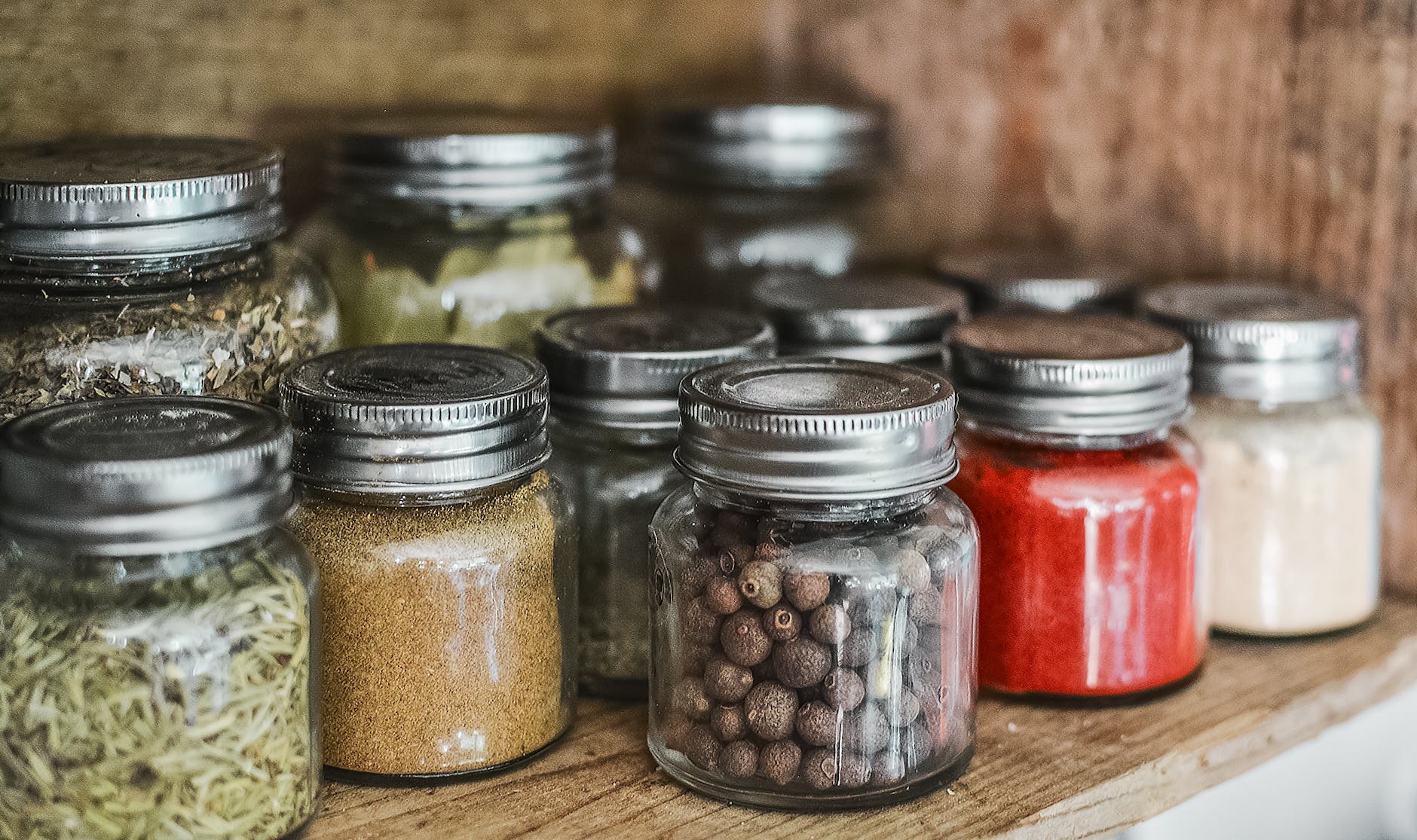
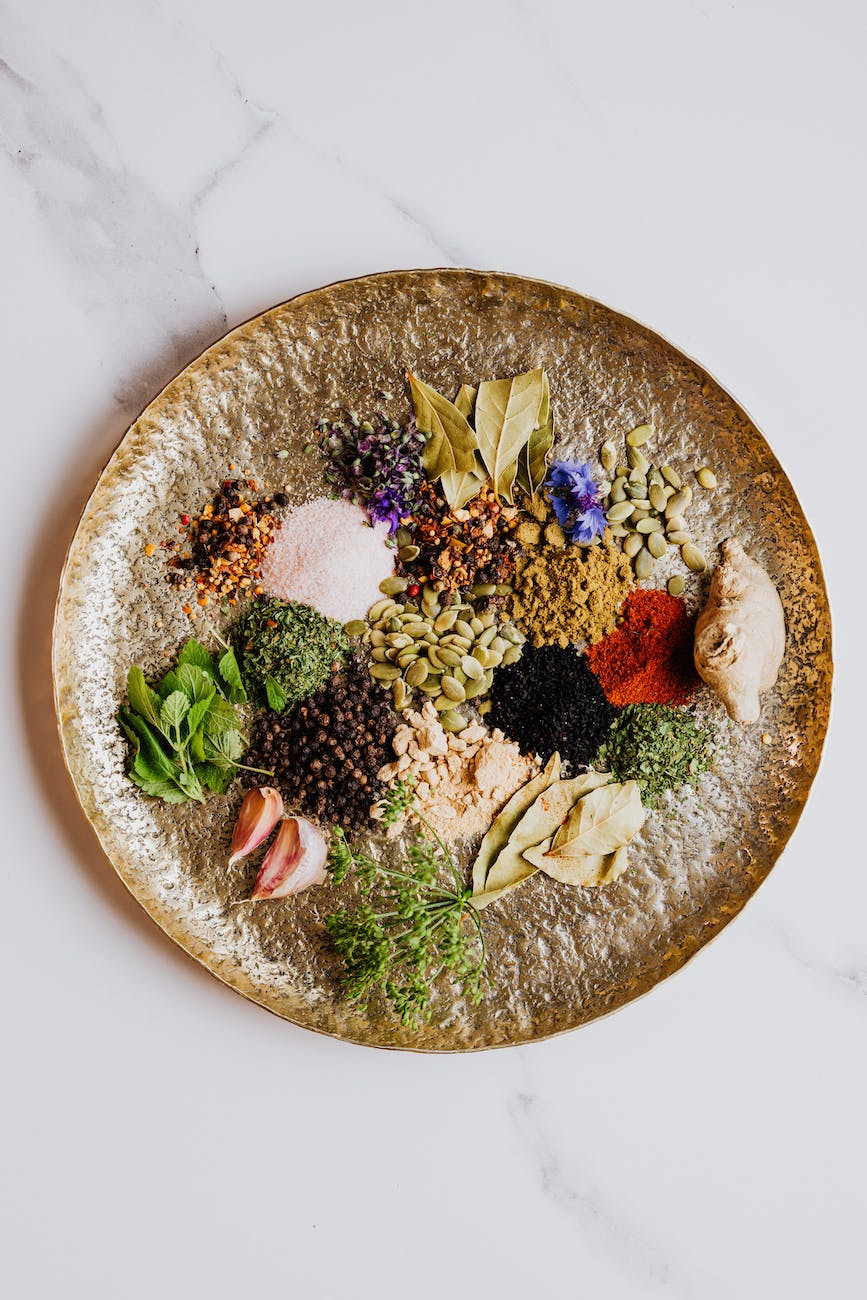
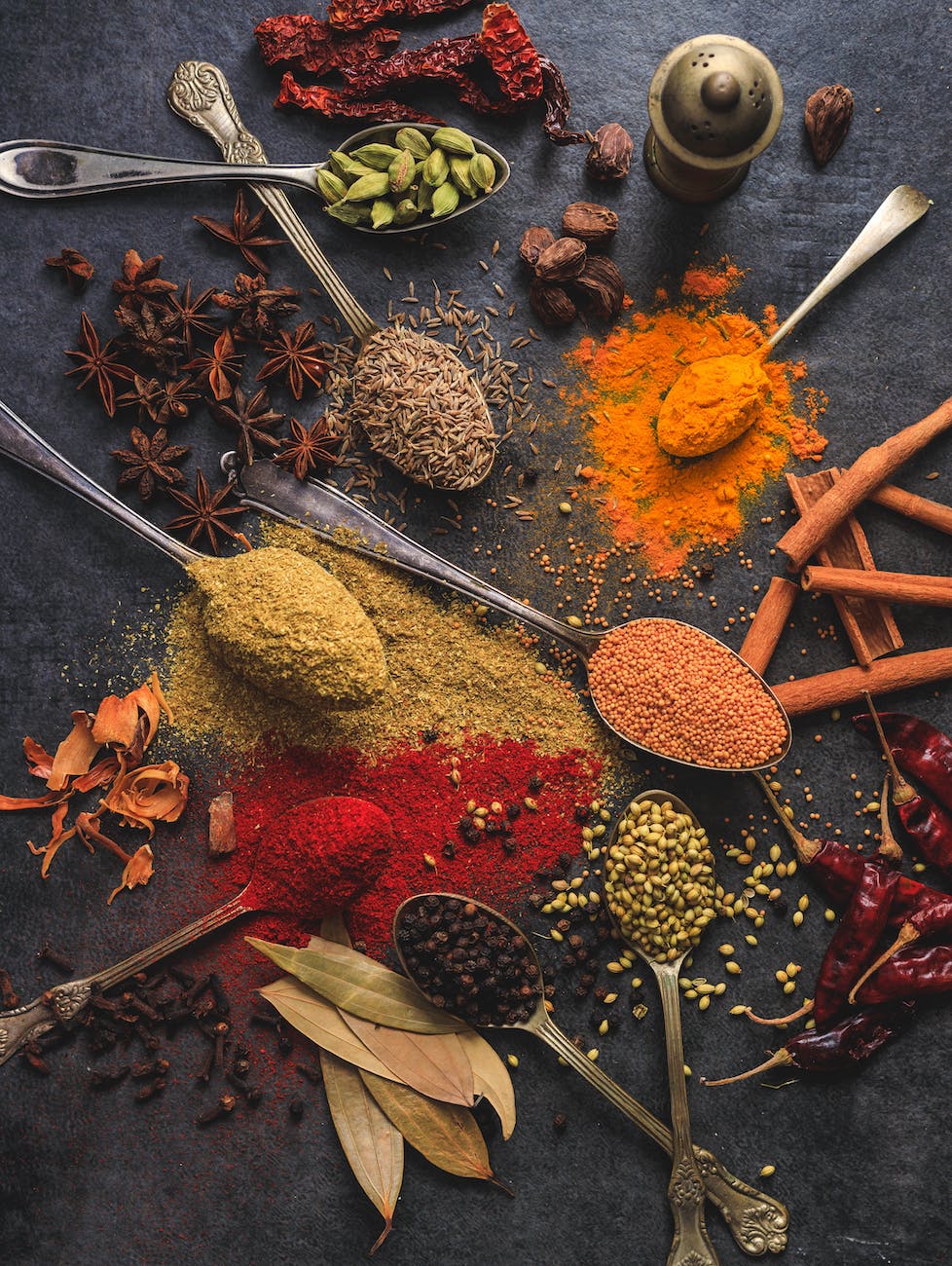
Natural seasonings are substances derived from plants or natural sources that are used to enhance the flavor, aroma and appearance of food. They have been used for centuries in various cuisines around the world to add taste and depth to dishes. Unlike artificial seasonings, natural seasonings are made from whole or ground plants, herbs, spices or other edible substances.
The components of natural seasonings can vary greatly depending on the specific ingredient used. Common components include herbs, spices, salts, sugars, vinegars, oils and extracts. Herbs and spices are an essential part of natural seasonings, providing distinct flavors and aromas. Examples of commonly used herbs and spices include basil, oregano, thyme, parsley, cinnamon, cloves, turmeric and ginger. Salt is often added to natural seasonings to enhance the flavor and balance out other flavors. Sugars can be used to add a touch of sweetness or to help caramelize and brown foods during cooking. Vinegars and oils are used to add acidity, tanginess or richness to dishes. Extracts such as vanilla or almond extracts, are used to impart specific flavors to foods.
Natural seasonings have numerous uses in cooking. They can be used in marinades and rubs to flavor meats, poultry or fish before cooking. They can also be used as a dry rub or sprinkled directly onto food during or after cooking. Natural seasonings are often added to soups, stews, sauces and dressings to enhance their flavor profiles. They can be used in baking to add flavor to cakes, cookies and breads. Natural seasonings can even be used to spice up beverages such as in the case of flavored teas or infused waters.
In addition to their culinary uses, natural seasonings also offer several health benefits. Many herbs and spices used in natural seasonings are rich in antioxidants which help protect the body from oxidative stress and inflammation. For example, turmeric contains a compound called curcumin which has powerful anti-inflammatory and antioxidant properties. Cinnamon has been shown to help regulate blood sugar levels and improve insulin sensitivity. Garlic is known for its immune-boosting and antimicrobial properties. Ginger has been used for centuries to soothe digestive issues and reduce inflammation.
Using natural seasonings in cooking can also help reduce the need for added salt, sugar or unhealthy fats as they provide intense flavors without the negative health implications. This can be particularly beneficial for individuals looking to reduce their sodium or sugar intake. Many natural seasonings, such as herbs and spices have very low calorie, fat and sodium content making them a preferred choice for individuals looking to maintain a healthy diet.
Furthermore, natural seasonings can enhance the nutrient content of dishes. Herbs and spices are often packed with vitamins, minerals, and phytochemicals that contribute to overall health. For example, parsley is an excellent source of vitamin K, vitamin C, and iron while thyme is a good source of vitamin A and manganese. By incorporating natural seasonings into meals individuals can boost the nutritional value of their food without compromising on taste.
It is worth noting that while natural seasonings offer many health benefits, moderation is key. Some individuals may have allergies or sensitivities to certain herbs, spices or other components of natural seasonings. It is important to be aware of these potential reactions and to consult with a healthcare professional if necessary. Additionally, some natural seasonings may interact with certain medications or medical conditions. It is advisable to speak with a healthcare provider if there are any concerns or questions regarding the use of natural seasonings in specific situations.
By incorporating natural seasonings into cooking, individuals can create flavorful and nutritious dishes while minimizing the need for unhealthy additives.
@dibianwangwuuchendu
+2347042519747.
WhatsApp MSG only.
No calls 📵.
 DIBIA NWANGWU UCHENDU