Calabash is scientifically known as Lagenaria siceraria. It is a vine plant native to Africa, Asia and the Americas. It belongs to the gourd family and is widely known for its uniquely shaped fruit which is often dried and used for various purposes. In this article written by Dibịa Nwangwu Uchendu, we will explore the definition, components, spiritual and physical uses and economic benefits of calabash.
Definition and Components:
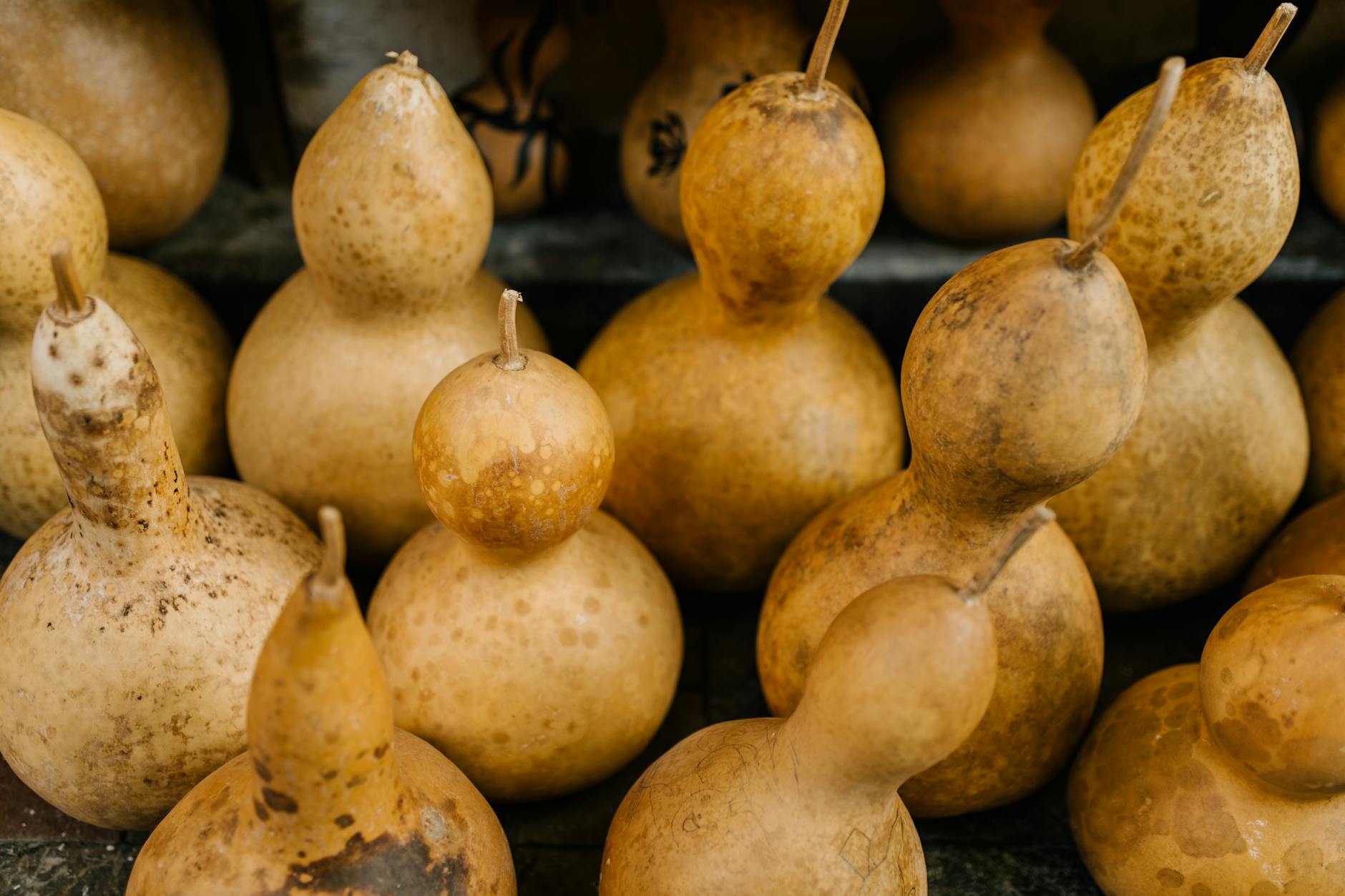
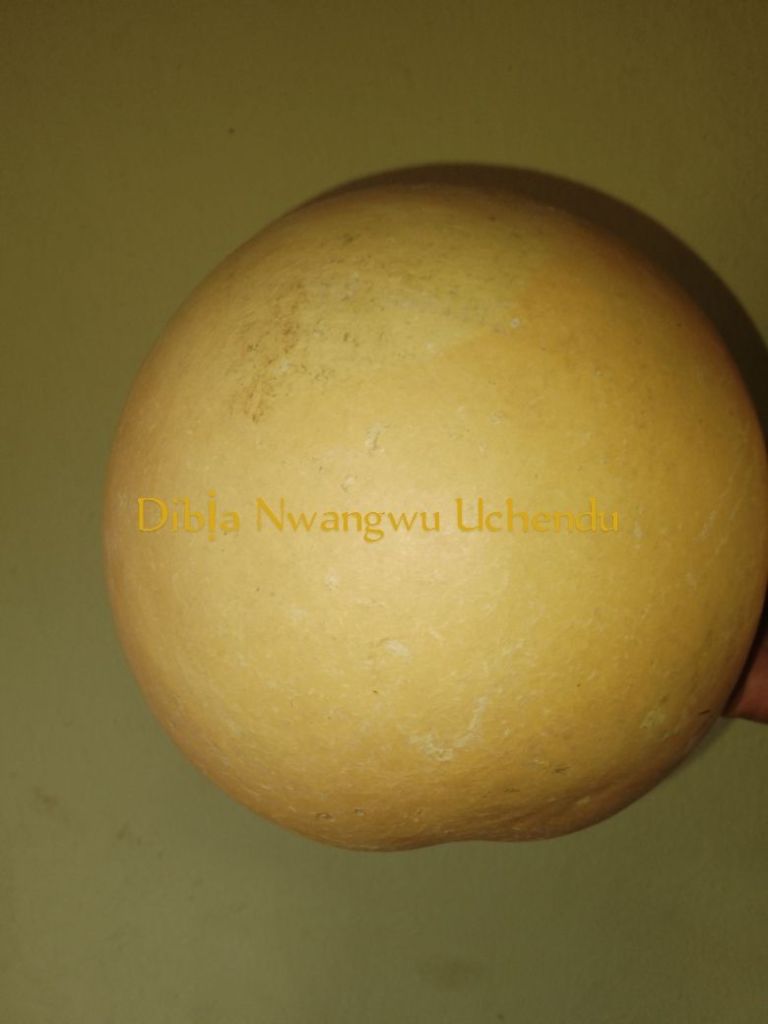
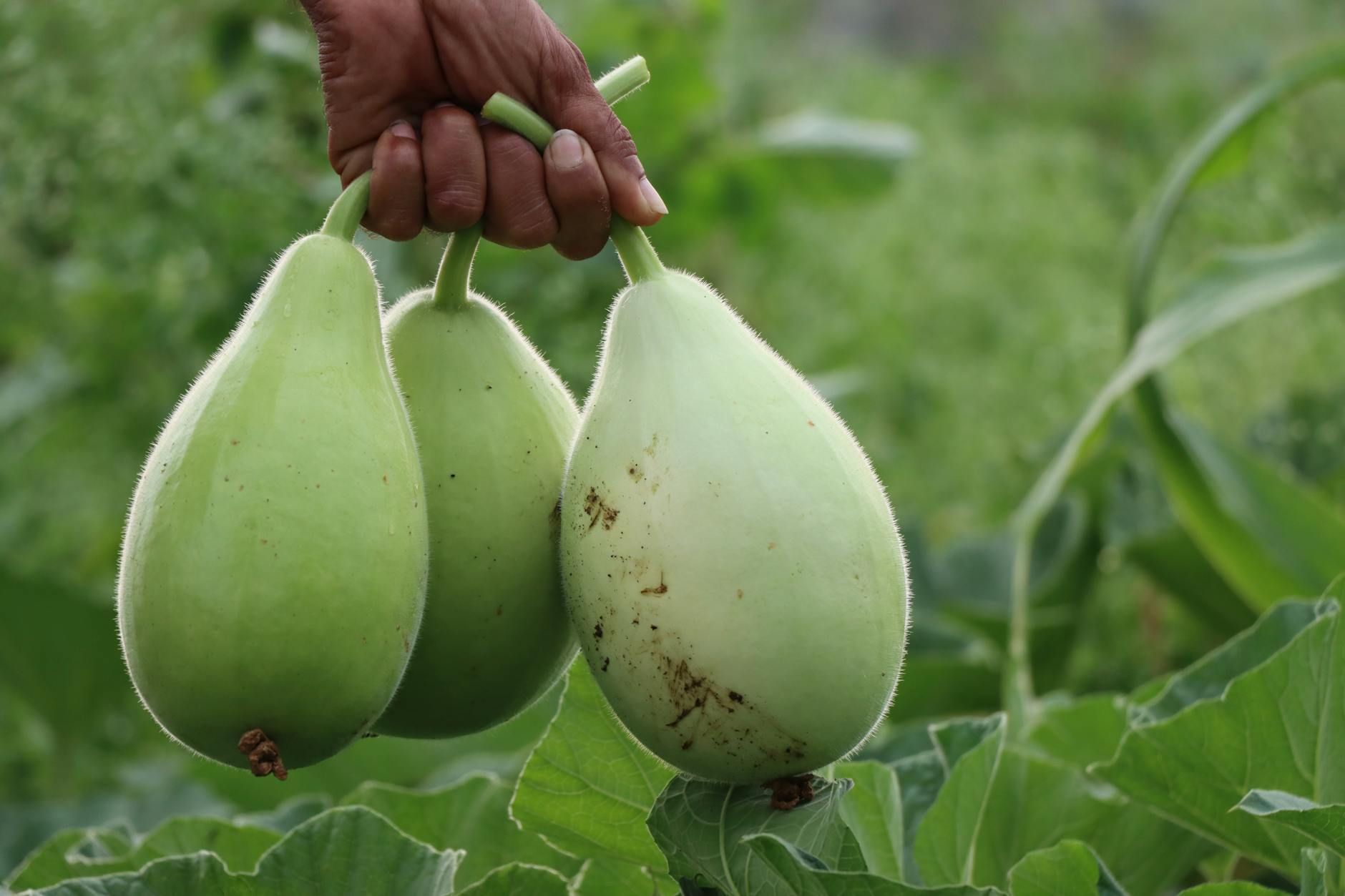
Calabash refers to both the plant and its fruit. The plant is a flowering vine that can grow up to 30 feet in length. It has large heart-shaped leaves and produces white or yellow flowers. The fruit of the calabash plant is a large, spherical or elongated gourd which can vary in size from a few inches to several feet in length. The fruit has a hard shell that changes from green to yellow or brown as it matures. Inside the shell, there is a spongy flesh that contains numerous seeds.
Uses of Calabash:
Calabash has a wide range of uses, both practical and cultural. Let us explore some common uses of calabash:
1. Containers and Utensils:
One of the primary uses of calabash is for making containers and utensils. The hard shell of the fruit can be hollowed out and used as bowls, cups, plates and spoons. These traditional calabash containers have been used by various cultures like the Igbo culture for centuries and they are still popular in many parts of the world.
2. Musical Instruments:
Calabash is also used to make musical instruments, especially percussion instruments. The dried shell of the fruit can be cut and adapted to create drums, shakers and rattles. The resonance and unique sound of calabash instruments make them popular in many traditional music styles.
3. Decoration and Crafts: The unique shape and texture of calabash make it popular for decorative purposes. The dried fruit is often carved, painted, or engraved to create intricate designs and patterns. Calabash crafts are highly valued for their artistic and cultural significance.
4. Food Preparation:
In Igbo culture, calabash is used for food preparation. The shell can be used as a bowl for mixing ingredients and the flesh can be scraped and used as a natural sponge for washing dishes or scrubbing vegetables.
Spiritual and Physical Uses:
In addition to its practical uses, calabash also holds spiritual and physical significance in many cultures:
1. Spiritual Uses: Calabash is considered a sacred plant in several spiritual traditions. It is believed to possess spiritual and healing properties. In some African and Native Igbo cultures, calabash is used for rituals (ie ọlụ mmiri, ịgba àjà, okuku agwụ), ceremonies and as a spiritual tool in divination practices.
2. Healing Properties:
Calabash is also used for its medicinal properties. The flesh of the fruit is rich in fiber, vitamins and minerals making it beneficial for digestion and detoxification. It is also used in traditional medicine for treating various ailments like stomachaches, coughs and skin conditions.
Economic Benefits:
Calabash has several economic benefits especially in regions where it is widely grown:
1. Income Generation:
Cultivating and selling calabash products can provide a source of income for farmers and artisans. The demand for traditional calabash crafts and instruments is often high especially in tourist areas or for export to other countries.
2. Tourism and Cultural Preservation:
The cultural significance of calabash attracts tourists who are interested in experiencing traditional crafts and instruments. This can create opportunities for local communities in Igboland to showcase their cultural heritage and generate revenue from tourism.
3. Environmental Sustainability:
Calabash is a sustainable crop that requires minimal inputs like water and fertilizers. Its cultivation can contribute to sustainable agriculture practices and help reduce the use of plastic or synthetic materials for containers and utensils. Especially in our waters during spiritual rituals.
4. Export Opportunities:
Calabash products such as crafts and musical instruments are often in demand in international markets. Exporting these products can bring foreign exchange and promote the cultural heritage of the producing regions. Calabash is a versatile plant with various practical, cultural and economic uses. From its traditional use as containers and utensils to its spiritual significance and healing properties, calabash holds a special place in many cultures worldwide. Additionally, its economic benefits offer income generation, tourism opportunities and environmental sustainability. Embracing and promoting the power and pleasure of calabash can enhance flavor, health and cultural preservation in our kitchens and communities.
@dibianwangwuuchendu
+2347042519747.
WhatsApp MSG only.
No calls 📵.

 DIBIA NWANGWU UCHENDU