The ram is known astrologically as Aries. A powerful and dynamic star sign that has captivated the human imagination for millennia. As one of the twelve zodiac signs the ram holds a special place in the celestial pantheon representing qualities of leadership, courage and unbridled energy. The astrological significance of the Ram shows, the ram was associated with the first sign of the zodiac marking the beginning of the new astrological year. This symbolic placement underscores the ram’s role as a harbinger of new beginnings, a herald of the spring season and a representation of the primal and generative forces of the cosmos. The ram’s position as the leading sign of the zodiac reflected the personalities and life paths of those born under its influence. They are known as Arians, typically characterized as confident, ambitious and action-oriented individuals who possess a natural inclination towards leadership and pioneering endeavors.
Arian individuals are described as possessing a fiery, independent spirit with a strong drive to assert their will and make their mark in the world. They are known for being decisive, their willingness to take risks and their ability to inspire and motivate those around them. The ram’s astrological symbolism speaks to the more primal and instinctual aspects of the human experience. The ram is associated with themes of raw, unbridled energy, impulsiveness and a certain degree of recklessness. Arians can be prone to impatience, aggression and a lack of tact or diplomacy, which sometimes lead to interpersonal conflicts or difficulties in navigating more nuanced social situations. However, the ram’s astrological influence confers a number of positive qualities that have made it a beloved and respected figure throughout history. Arians are praised for their bravery, their resilience in the face of adversity and their unwavering commitment to their goals and dreams. They are natural pioneers willing to take the lead and forge new paths in the face of uncertainty or opposition.
The Spiritual Significance of the Ram.
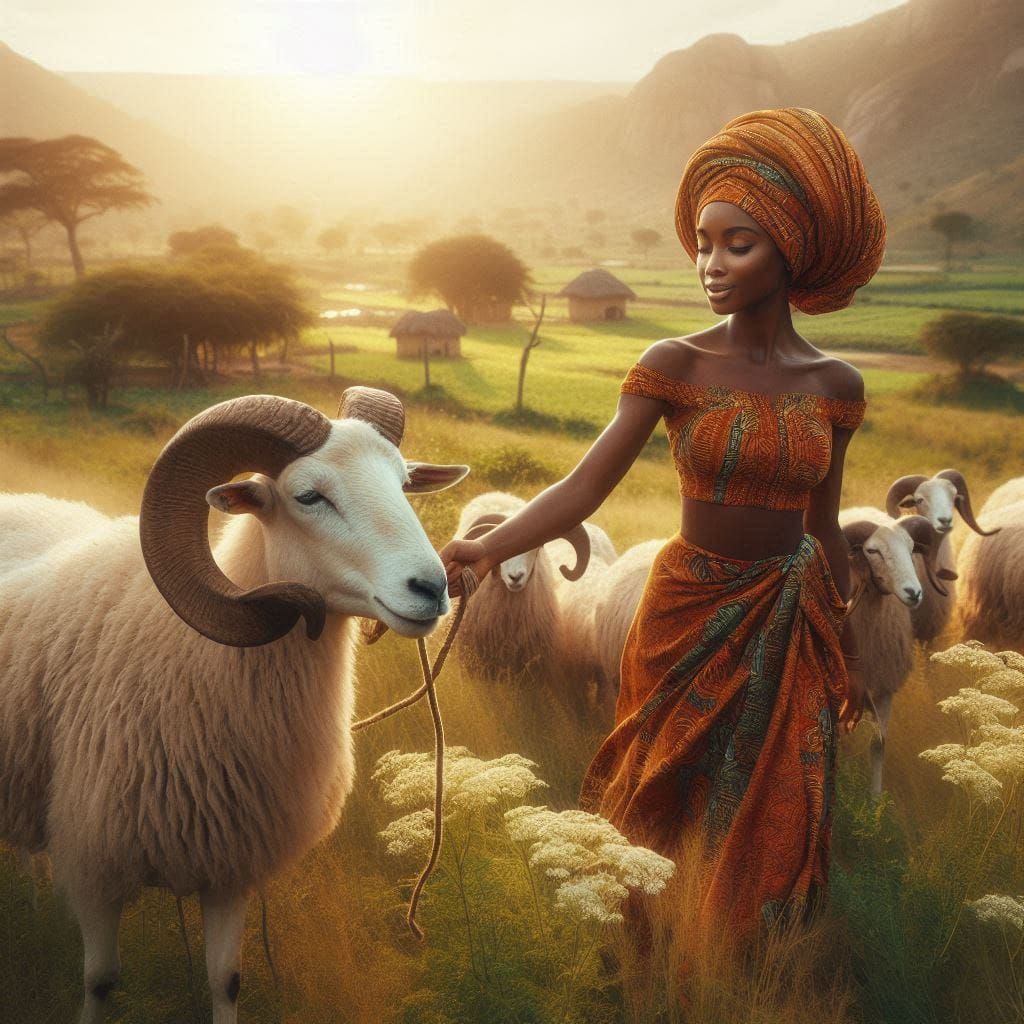
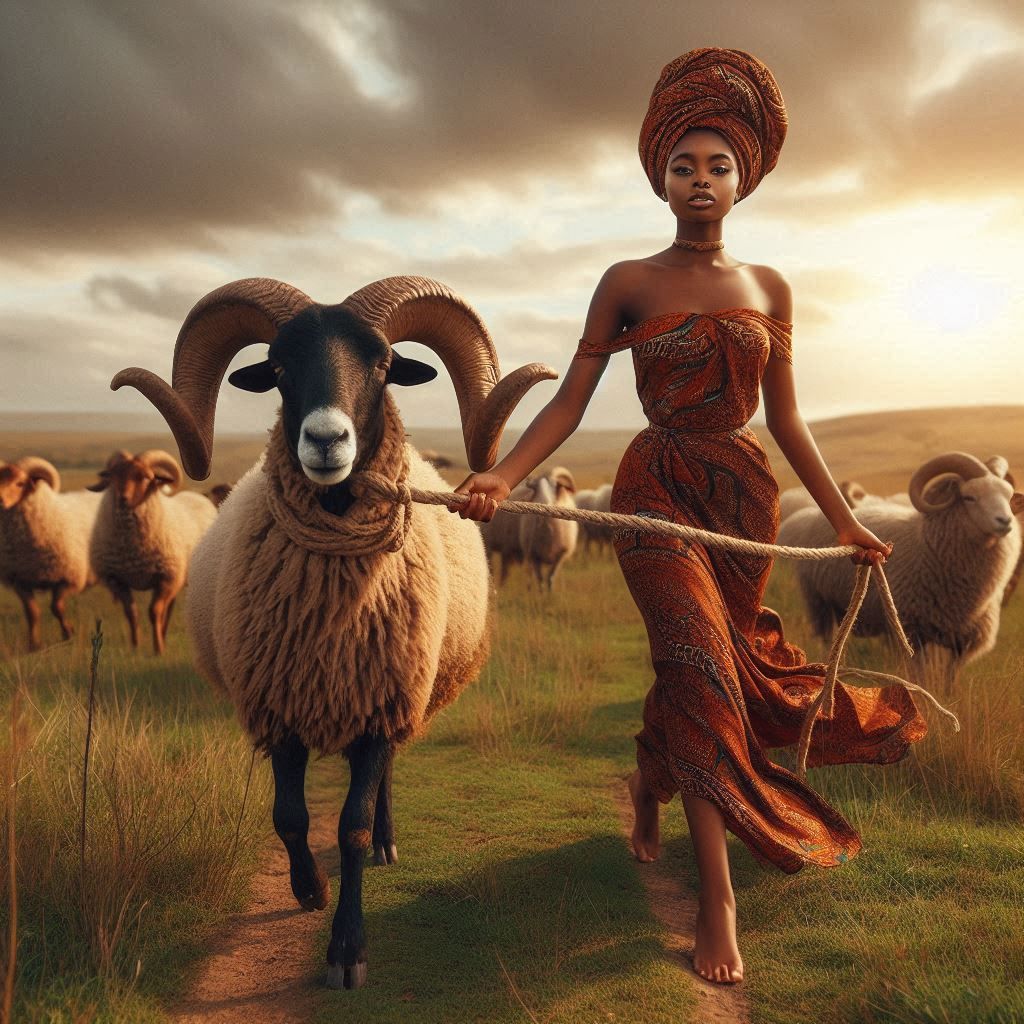
In Ọdịnanị Igbo spirituality and culture, the ram is known to be a powerful symbol of power, quick messenger, mover and shaker in the realm of the spirit. The sacred, complex and multifaceted spirit animal cum deity represents both the destructive and the generative aspects of the divine. The ram with its powerful horns and its association with the natural world is a fitting companion for powerful and enigmatic spirit guides. Reason, its used for Agwụ initiation rites so the spirit guides continue to be extremely active and strong in executing their spiritual tasks. In Igbo society and tradition, the ram is revered as a symbol of strength, courage and spiritual enlightenment. The saying “Ebune nwe ude” Ebune bụ anụ mmụọ” are deep words of eulogy for ram celebrated as a sacred and auspicious creature for its strength and usefulness to mankind. The ram’s significance as a spiritual animal is long-standing and relevant to human civilization. For instance, any Dibịa that operates on very low frequency, is afraid of using the ram during Agwụ installation or appeasement of any specific spirit guides. Probably, they are not chosen, holy, sacred or they lack spiritual knowledge and cannot cope with the ram’s spiritual strength. There are instances, rams are used for spiritual appeasements and people involved lack certain level of high spiritual vibration, to know when the next appeasement will take place. The Ram will move with spiritual speed and strength to remind the Dibịa of the spiritual commitment and indebtedness. It can come through various ways and signs, either via dream, physical apparition or via divination. Most importantly, if one is a Dibịa, know when the next appeasement will take place once Agwu reciprocates in kind. If a Dibịa cannot decode the language of the spirits, kindly desist from using ram during Agwu installation. In Igbo history, the ram has been a useful and versatile creature.
The most known contribution of the ram to human society, is its role as a source of wool and meat. Domestic sheep are descended from wild rams. They have been a crucial part of agricultural and pastoral economies of many societies for thousands of years. The wool produced by sheep is used to create a vast array of textiles from warm winter coats to delicate lace while the meat has provided a reliable and nutrient-dense source of sustenance. To add to its value as a food and fiber source, the ram has also played an important role in transportation and labor. Particularly in mountainous or remote regions of the world, ram and their wild counterparts, the bighorn sheep have been used as pack animals that carry goods and supplies over rugged terrain. The ram’s sure-footed agility and its ability to thrive in harsh, inhospitable environments have made it an invaluable asset to human communities living in such challenging landscapes. The ram’s strength and physical prowess made it a valuable asset in military and agricultural applications. During ancient warfare, the ram was sometimes used as a living battering ram with soldiers directing the animal’s charge against the walls of enemy fortifications while in agricultural settings, the ram’s powerful horns and muscular build have been harnessed to help plow fields, clear land and perform other physically demanding tasks. That is the same way ram functions spiritually. The Ram also played a significant role in the cultural and artistic traditions of many societies. The ram’s horns have been widely used as decorative and symbolic motifs in a variety of media from architecture and sculpture to jewelry and textiles.
In ancient Igbo society, the ram’s horns were used as a symbol of power, strength and virility. They were frequently depicted in the artwork and mythology. In Ọdịnanị Igbo spirituality, the ram’s horns are incorporated into ceremonial and indigenous practices. It serves as talismans or amulets that were believed to confer protection and good fortune. As a medium for spiritual divination and works, also used as native drinking cup. The ram’s endurance is a legacy of powerful and versatile creature with profound significance in human experience. From its astrological and spiritual symbolism to its practical usefulness in a wide range of human endeavors. Today, in spirituality the ram continues to captivate and serve as a symbol of spiritual strength, courage and the indomitable spirit of the human condition. Whether in the realm of spirit, astrology, art, or agriculture, the ram remains a revered and respected animal. The living embodiment of the primal and generative forces that shaped the human experience for millennia. The ram’s timeless qualities of leadership, resilience and unbridled energy prove to be more relevant and valuable than ever before. By embracing the ram’s spiritual symbolism and harnessing its inherent power, the Dibịa finds the courage and determination to forge new paths, overcome obstacles and shape a brighter and more prosperous future for all.
@dibianwangwuuchendu
+2347042519747
WhatsApp MSG only.
 DIBIA NWANGWU UCHENDU