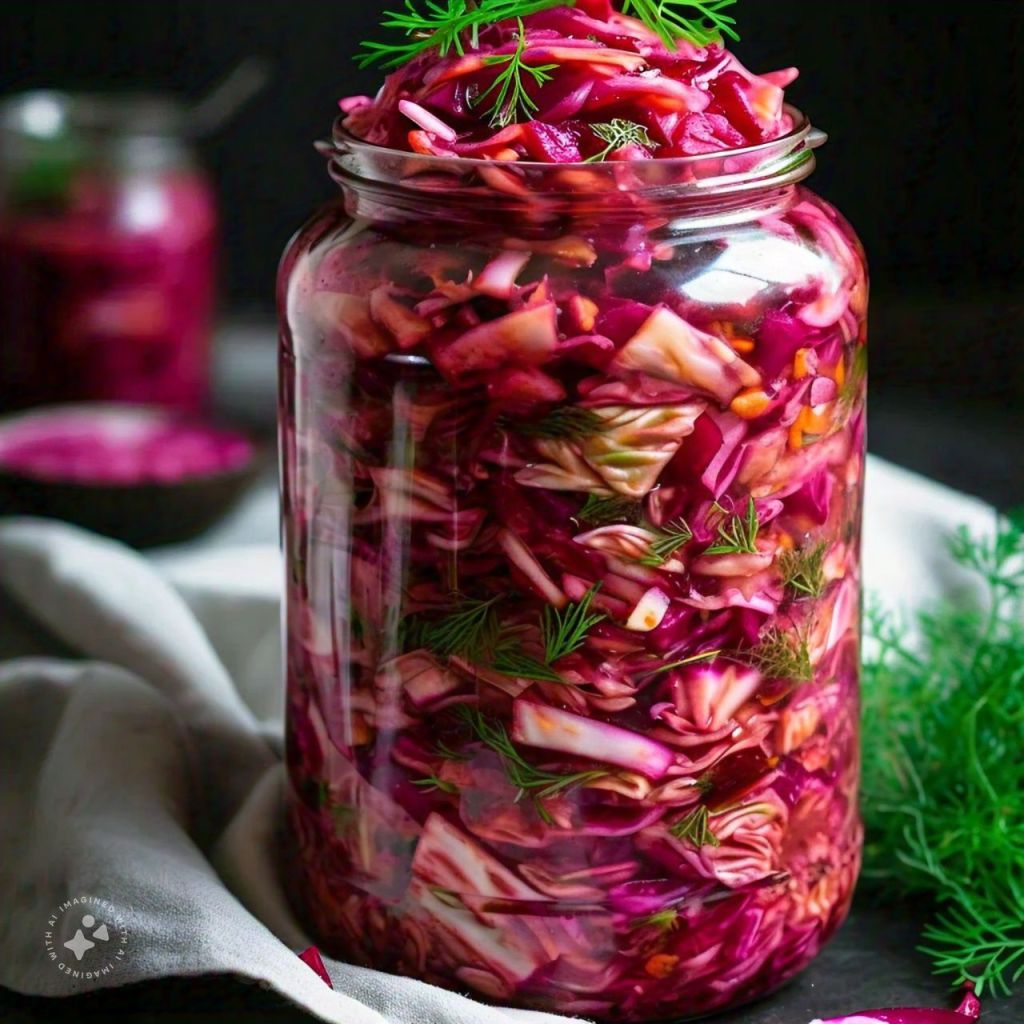
Sauerkraut is a fermented cabbage dish originating from Germany, made by allowing shredded cabbage to break down naturally by its own enzymes and bacteria. This process creates a tangy, slightly sour flavor and a crunchy texture. Sauerkraut is a nutrient-dense food, offering numerous health benefits due to its high content of:
1. Probiotics: Supporting gut health and immune system
2. Vitamins C and K: Boosting immunity and bone health
3. Fiber: Aiding digestion and satiety
4. Antioxidants: Reducing inflammation and oxidative stress
5. Anti-inflammatory compounds: Supporting overall well-being
Benefits of Sauerkraut:
1. Gut Health: Probiotics and fiber promote a balanced gut microbiome
2. Immune System: Vitamins and probiotics support immune function
3. Digestion: Fiber and probiotics aid in regular bowel movements
4. Anti-Inflammatory: Compounds reduce inflammation and oxidative stress
5. Cancer Prevention: Antioxidants and anti-inflammatory properties may help reduce cancer risk
6. Cardiovascular Health: Fiber, vitamins, and antioxidants support heart health
7. Supports Healthy Bones: Vitamin K and other nutrients promote bone density
8. May Help Reduce Anxiety and Stress: Probiotics and antioxidants promote mental well-being
Incorporating Sauerkraut into Your Diet:
1. Add to sandwiches, salads, and wraps
2. Use as a side dish or topping for meals
3. Mix into soups, stews, and casseroles
4. Enjoy as a snack on its own or with crackers
Remember to choose unpasteurized, raw sauerkraut to reap the benefits of probiotics and live cultures. Pasteurization can kill off beneficial bacteria, reducing the health benefits.
Sauerkraut is a nutrient-rich, fermented food offering numerous health benefits, from gut health and immunity to anti-inflammatory effects and potential cancer prevention. Incorporate it into your diet to experience the advantages of this ancient, tangy delight!
How To Make Probiotic (Sauerkraut):
Ingredients:
– 1 medium head of green cabbage (about 2-3 pounds)
– 1-3 tablespoons of non-iodized salt (such as sea salt or kosher salt) You can add beetroot.
Instructions:
1. Prepare the Cabbage:
– Remove any damaged outer leaves of the cabbage, then cut the cabbage into quarters and remove the core.
– Slice the cabbage finely using a knife, mandoline, or food processor.
2. Mix with Salt:
– Place the shredded cabbage in a large bowl and sprinkle the salt over it.
– Massage the salt into the cabbage for about 5-10 minutes until it starts to release its juices.
3. Pack the Cabbage:
– Transfer the cabbage mixture into your fermentation container, packing it tightly as you go. Make your own brine ( 1 cup of filter water+ 1 tbsp of sea salt) if you don’t have enough juice to cover the entire jar.
– Leave some space at the top (about an inch) to allow for expansion during fermentation.
4. Add Weight or use a whole cabbage leave to tuck it in
– Place a weight on top or the cabbage leave on top to keep it submerged in its own brine. If using a jar, fill it with water to add weight.
5. Cover:
– Cover the container with a cloth or loose lid to allow gases to escape while preventing dust and contaminants from entering.
6. Ferment :
– Store the container in a cool, dark place (ideally around 65-72°F or 18-22°C) for 1 to 4 weeks.
– Check the sauerkraut periodically, pressing down on the weight if necessary to keep the cabbage submerged.
7. Taste and Store:
– Begin tasting the sauerkraut after a week. Once it reaches your desired taste and tanginess, transfer it to the refrigerator to slow down the fermentation process.
Notes:
– The longer you ferment, the tangier the sauerkraut will become.
– Always use clean utensils when handling the sauerkraut to avoid contamination.
WhatsApp MSG only
+2347042519747
 DIBIA NWANGWU UCHENDU