The role of Dibịa Igbo, traditional healer, diviner, rainmaker, cultural and traditional custodians and spiritual guide is foundational to Igbo society. However, in this modern era the practices and physical presentation of many healing spaces must evolve. The time for a significant upgrade is now. Our tradition demands respect and reverence and a cluttered, poorly maintained shrine risks eroding the dignity of the practice and discouraging younger generations from embracing this vital calling. Modernizing is not abandoning tradition rather it is elevating it to thrive in the 21st century. I became concerned about what I saw few days ago, religious fanatics bashing a female Dibịa somewhere in Ekwulu Mmili heaps of okpensi were thrown out of her house coupled with barrage of dirty stuffs. I wondered how she sleeps amongst those debris? How healthy is she? We cannot hide behind Agwu na-akpa mmadụ to become custodians of refuse!
The common sight in many traditional compounds a Dibịa’s space overflowing with accumulated deities, okpesi chis, offerings and spiritual works done for countless clients presents a genuine problem that must be addressed. This stacking of materials quickly becomes an eyesore, betraying the meticulous spiritual order the Dibịa is meant to embody. More critically, this clutter creates an environment conducive to poor hygiene: it provides harborage for pests, leading to the potential for an infestation of rats and consequently, an elevated risk of an outbreak of disease. Furthermore, this accumulation simply takes up invaluable space that could be used for proper consultation, reflection or the storage of essential, active medicinal materials.
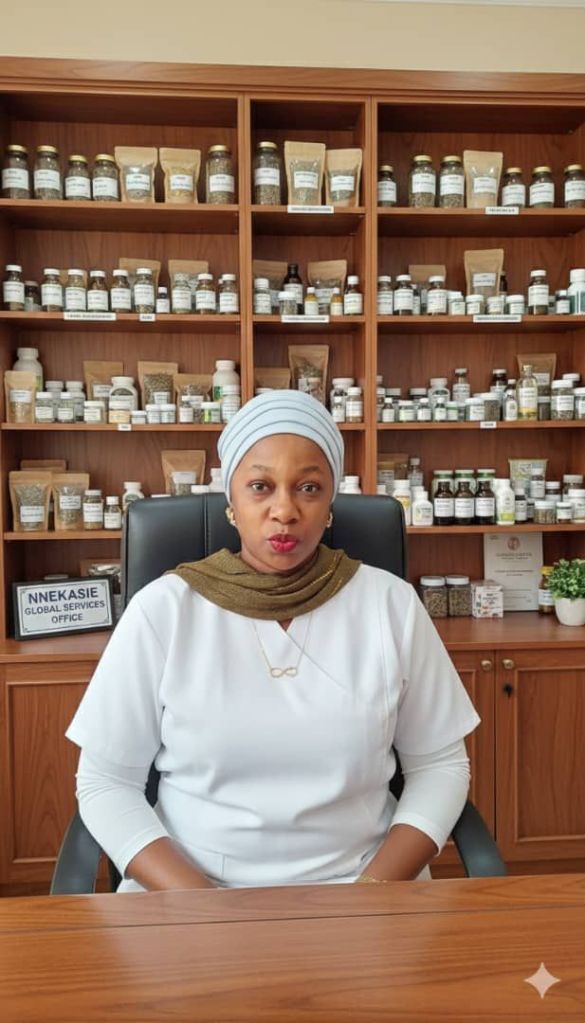
The shift to a modernized practice brings numerous, tangible benefits. An organized, clean altar and workspace immediately enhances the spiritual ambiance, signaling respect for Chukwu, the Alụsị (deities) and the seriousness of the work. This disciplined approach frees the Dibịa from the constant, arduous task of managing overwhelming clutter, allowing them to focus their energy entirely on healing and spiritual counsel. Moreover, a clean, well-presented practice projects professionalism and reliability, attracting a broader clientele and instilling greater trust in the community and among diaspora patrons who are accustomed to modern standards of hygiene and organization.
Upgrading as a Dibịa in this age is an act of preservation, not compromise. It means adopting modern organizational standards, employing better storage solutions and maintaining a sanctuary that reflects the power and purity of the ọfọ (staff of authority). By embracing discipline, prioritizing sanitation and curating their spiritual tools, today’s Dibịa Igbo can ensure the continuity, relevance and undisputed authority of their sacred office, making the ancient practice compelling and accessible for generations to come.
@dibianwangwuuchendu
+2349071050844
WhatsApp MSG only.

 DIBIA NWANGWU UCHENDU