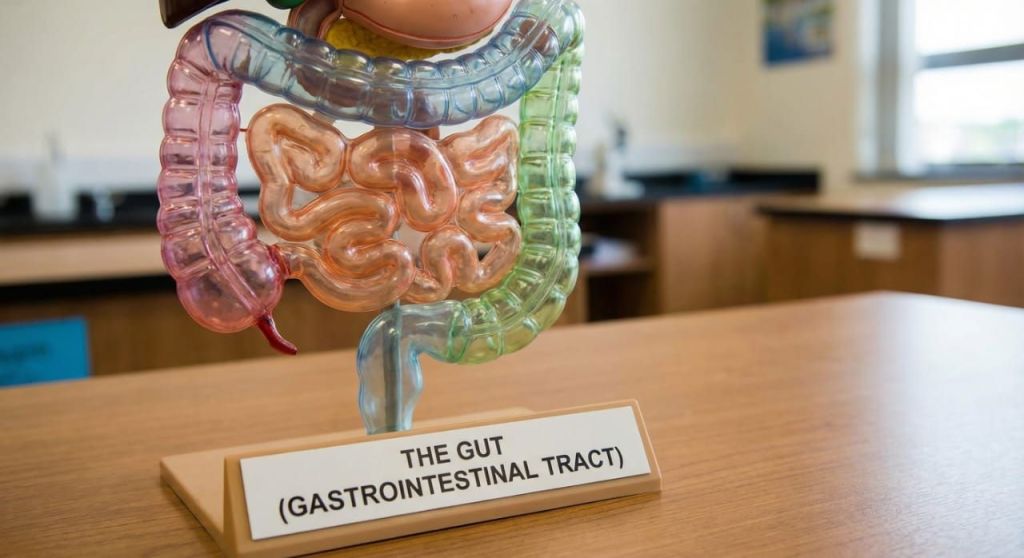
For a long time, we thought of the gut as simply a plumbing system where food goes in, nutrients are absorbed and waste goes out. Today, science views the gut as something far more complex and significant. It is often referred to as the body’s “Second Brain.”
What is “Gut Health”? 🙋
When we talk about gut health, we are primarily talking about the Gut Microbiome. Your gut is home to approximately 100 trillion microorganisms, including bacteria, viruses and fungi. This ecosystem is as unique to you as your fingerprint. In a healthy gut, there is a diverse balance of “good” bacteria that keep “bad” pathogens in check.
Why the Gut Matters (Beyond Digestion).
The influence of the microbiome extends far beyond the stomach. It acts as a control center for several critical bodily functions:
° The Immune System: Approximately 70% of your immune system resides in your gut. Your gut bacteria teach your immune cells to distinguish between friend (nutrients) and foe (viruses).
° Mental Health (The Gut-Brain Axis): The gut and brain are connected by the Vagus nerve. Surprisingly, about 95% of the body’s serotonin, the “feel-good” hormone is produced in the gut, not the brain. This is why gut issues are often linked to anxiety and depression.
° Weight Regulation: Certain bacteria affect how you store fat and how you feel hunger or satiety.
° Skin Health: An inflamed gut often manifests as skin issues like eczema, rosacea, or acne (often called the “gut-skin axis”).
Signs Your Gut Might Be Unhealthy.
Because the gut is connected to everything, symptoms of dysfunction can be surprising. Watch for these signs:
* Digestive issues: Bloating, gas, diarrhea or constipation.
* Sugar cravings: Bad bacteria and yeast thrive on sugar. If they overgrow, they send chemical signals to your brain demanding more sugar.
* Unintentional weight changes: Gaining or losing weight without changing your diet.
* Sleep disturbances: Poor gut health can disrupt circadian rhythms.
* Food intolerances: Developing difficulties digesting foods that were previously fine e.g dairy or gluten.
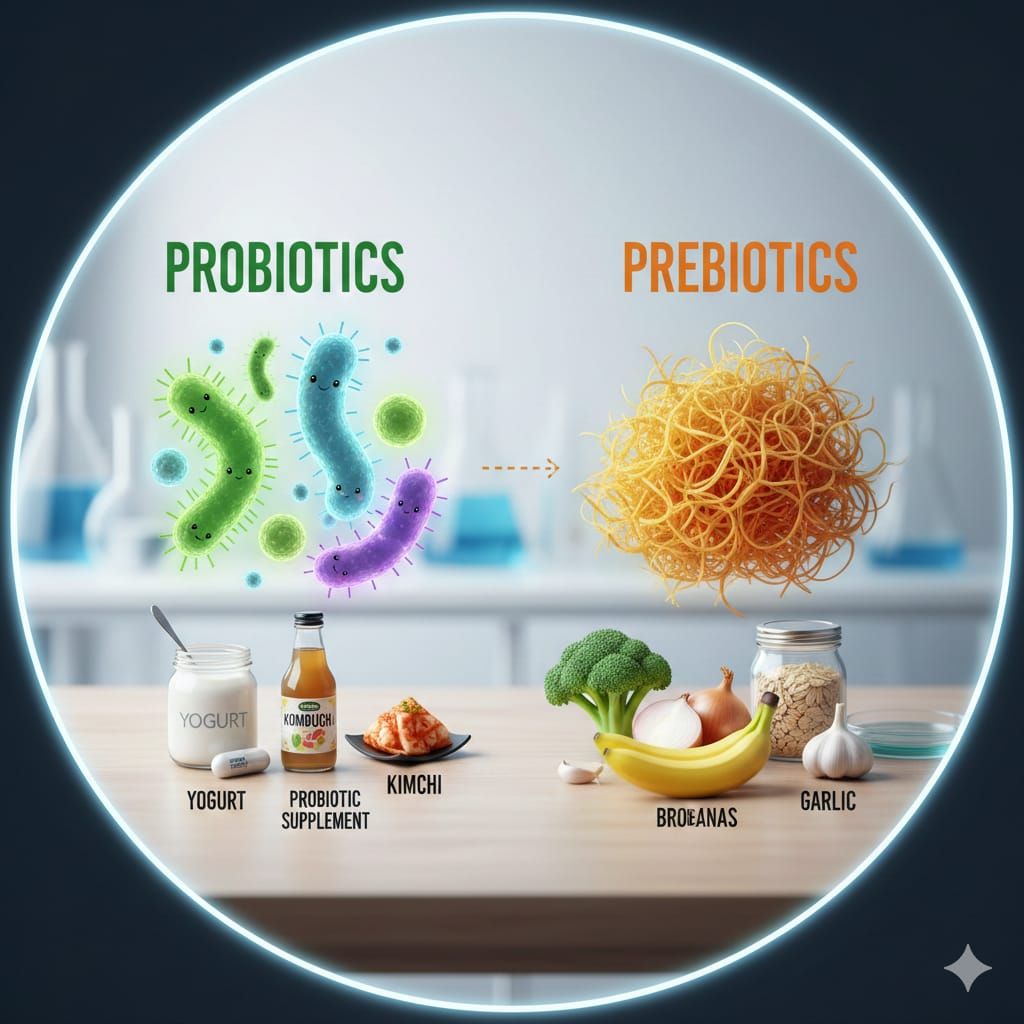
The Two Pillars: Prebiotics vs. Probiotics.
To fix the gut, you need to understand the difference between these two components.
A. Probiotics:
The live, beneficial bacteria (the “seeds”).
Yogurt, Kefir, Kimchi, Sauerkraut, Kombucha, Miso.
B. Prebiotics:
The fiber that feeds the bacteria “fertilizer”. Garlic, Onions, Bananas, Asparagus, Oats, Apples.
Note taking probiotics without eating prebiotics is like planting seeds in a desert. The bacteria need fiber to survive and colonize.
How to Improve Your Gut Health.
Restoring your gut health is one of the most impactful changes you can make for your longevity.
Eat a Diverse Range of Plants.
Studies suggest that people who eat 30+ different plant foods per week have much healthier microbiomes than those who eat the same 5 vegetables.
Rotate your greens, buy different colored peppers and use spice blends.
Limit the “Gut Killers”.
*Sugar and Artificial Sweeteners: These can feed bad bacteria or reduce diversity.
* Ultra-processed foods: Emulsifiers and additives can erode the mucus layer of the gut lining.
* Unnecessary Antibiotics: While sometimes life-saving, antibiotics act like a forest fire wiping out both good and bad bacteria. Use them only when prescribed by a doctor.
Manage Stress and Sleep.
Chronic stress releases cortisol, which can increase intestinal permeability (often called “Leaky Gut”).
* Tip: Prioritize 7–8 hours of sleep. The gut microbiome actually has its own circadian rhythm and repairs itself while you sleep.
In summary, your gut is the foundation of your health. By treating it like a garden, weed out the bad processed foods/stress and feed the good fiber/fermented foods, you can improve your mood, energy and immunity simultaneously.
WhatsApp MSG only
+2349071050844
 DIBIA NWANGWU UCHENDU