Holistic medicine is an approach to healthcare that views the individual as a whole person interconnected in mind, body and spirit rather than treating isolated symptoms or diseases. It emphasizes seeking optimal health by restoring balance across all these dimensions.
The benefits of embracing this philosophy are numerous. Holistic care prioritizes prevention and identifying the root cause of illness, leading to more sustainable, long-term wellness. Treatments often include lifestyle adjustments, nutrition, stress management and natural therapies, potentially reducing reliance on pharmaceuticals and their side effects.
A good holistic doctor is a partner in your health journey and act as a teacher and guide. They take the time to understand your unique physical, emotional and environmental factors. By focusing on individualized care and patient empowerment a holistic practitioner helps you take an active role in healing and maintaining your well-being, fostering greater vitality and quality of life.
Naturopathic Medicine: The Healing Power of Nature.
Naturopathic medicine or Naturopathy is a distinct system of primary care that blends ancient healing traditions with modern scientific research. It is fundamentally holistic and guided by a set of core principles.
Core Philosophy: The goal is to treat the whole person (mind, body, spirit) and identify the root cause of illness than just suppressing symptoms. It emphasizes the body’s innate ability to heal itself and focuses heavily on patient education and prevention.
Key Therapies Used: A licensed Naturopathic Doctor (ND) uses a broad range of natural, minimally invasive therapies which include:
1. Nutritional and Dietary Counseling.
2. Herbal Medicine. (Botanical Medicine)
3. Lifestyle Counseling (exercise, sleep, stress management).
4. Homeopathy and Hydrotherapy.
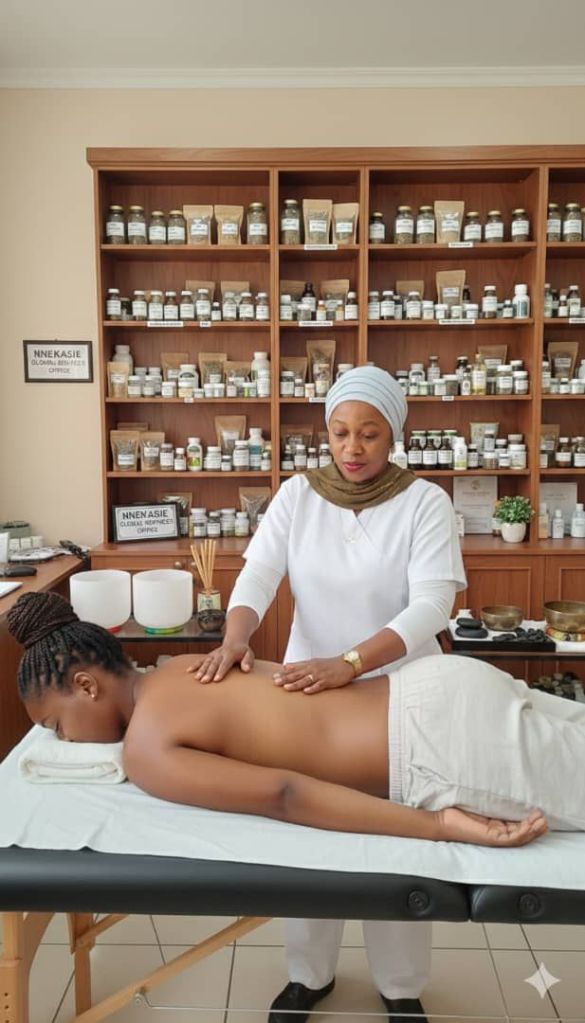
5. Physical Manipulation (like massage or chiropractic).
6. Acupuncture ( integrated into the treatment plan).
Conditions Treated: NDs can help manage a wide array of conditions, including chronic issues like allergies, digestive problems (IBS, GERD) chronic fatigue, hormonal imbalances and overall health and preventative care.
Herbal Medicine.
Herbal medicine or phytotherapy is the use of plants or plant-derived substances to promote health and treat illness. It is arguably the oldest form of medicine integral to cultures worldwide.
How it Works: Unlike pharmaceutical drugs that use single, isolated compounds, herbal remedies utilize the entire plant (leaves, roots, flowers, berries). The synergistic effect of the multiple natural compounds within the plant is believed to work gently to nourish and restore the body’s balance.
Forms: Herbs can be consumed as teas (infusions/decoctions), tinctures (alcohol extracts), capsules, powders or applied topically as ointments or poultices.
Benefits: Herbal medicine is used to support various body systems including immune function e.g. Echinacea, digestion e.g., Peppermint, nervous system support e.g. Chamomile, Ashwagandha and hormonal balance. Practitioners select herbs based on the individual’s constitution and specific health needs.
#holistichealth #healthyliving #herbs


WhatsApp MSG only
+2349071050844
 DIBIA NWANGWU UCHENDU