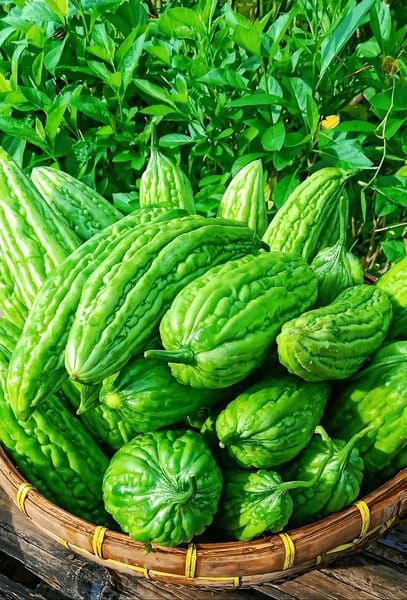
Bitter gourd aka Momordica charantia also known as Bitter Melon or Karela is a tropical vine closely related to zucchini, squash and cucumber. It is easily recognized by its warty, bumpy skin and its extremely bitter taste. While many people shy away from it due to its flavor, it is considered a “superfood” in many Asian and African cultures used as much for medicine as it is for food.
Detailed breakdown of bitter gourd and its medicinal uses.
1. The Key Active Ingredients: “Plant Insulin”
The medicinal power of bitter gourd comes primarily from three active substances that work together to manage blood sugar:
* Charantin: A chemical specifically confirmed to have a blood glucose-lowering effect.
* Polypeptide-p: A bioactive protein that acts like insulin in the body called “plant insulin”.
* Vicine: A glycol-alkaloid that aids in glucose metabolism.
2. Primary Medicinal Uses.
A. Diabetes Management (The Gold Standard).
Bitter gourd is one of the most chemically effective vegetables for managing Type 2 diabetes.
* Lowers Blood Sugar: It helps move glucose from the blood into the cells for energy, much like the drug Metformin.
* Improves Insulin Sensitivity: Regular consumption helps the body utilize its own insulin more efficiently, preventing sugar spikes after meals.
B. Digestive Health
* Constipation: It is rich in dietary fiber, which aids bowel movements and prevents constipation.
* Liver Detox: Similar to bitter kola, bitter gourd is hepatic-protective. It boosts liver enzymes and helps flush out alcohol deposits and toxins from the liver.
C. Skin Health “Blood Purifier”.
In traditional medicine, bitter gourd is famously known as a “blood purifier.”
* Acne & Eczema: By reducing blood toxins, it helps clear acne, psoriasis, and eczema.
* Glow: Its high Vitamin C content aids in collagen production, helping the skin repair itself and maintain a healthy glow.
D. Immune System Boost.
* Vitamin C: Bitter gourd is surprisingly high in Vitamin C (containing more than oranges by weight). This helps the body fight off viruses and bacteria.
* Antioxidant: It protects the body from “free radicals,” which are unstable molecules that can cause aging and disease.
E. Weight Loss
* Low Calorie: It is extremely low in calories (about 17 calories per 100g) but high in fiber, keeping you full longer.
* Fat Metabolism: It stimulates the liver to secrete bile acids that are essential for metabolizing fat in the body.
3. How It Is Used
Because of the intense bitterness, it is usually prepared in specific ways to make it palatable:
* Juice: The most potent medicinal form. Often mixed with lemon or apple juice to mask the taste.
* Stir-fry: Cooked with onions and spices like in Indian Karela dishes.
* Tea: Dried slices are steeped in hot water to make a detox tea.
4. Safety and Side Effects.
Despite its benefits, bitter gourd is potent and must be used with caution.
* Pregnancy (Strict Warning): Pregnant women should avoid bitter gourd. It contains compounds that can stimulate the uterus, potentially leading to bleeding, contractions or miscarriage.
* Hypoglycemia: If you are already on diabetes medication, eating large amounts of bitter gourd can cause your blood sugar to drop too low (hypoglycemia). You should monitor your levels closely.
* G6PD Deficiency: People with this specific enzyme deficiency called Favism should avoid bitter gourd seeds as they can trigger anemia.
* Stomach Upset: Eating too much can cause abdominal pain and diarrhea.
Summary of Benefits/Body System/Benefit.
Pancreas: Acts like insulin to lower blood sugar (Diabetes).
Skin: Purifies blood to treat acne and psoriasis.
Liver: Detoxifies and helps metabolize alcohol/fats.
Stomach: Fiber aids digestion and relieves constipation.
Immunity: High Vitamin C fights infections.
#vitamins #immunity #wellness
WhatsApp MSG only
+2349071050844
 DIBIA NWANGWU UCHENDU